
Introduction
If you’ve ever opened a brokerage account, read financial news, or heard someone talk about “buying shares,” you’ve already brushed up against the question: what are securities and why do they matter so much?
At first glance, the term sounds technical—something reserved for bankers and analysts in glass towers. But in reality, securities are part of everyday life. They power retirement accounts, fund businesses, and shape the global economy. Whether you’re investing for long-term wealth, saving for your children’s education, or simply curious about how money grows, understanding what are securities is one of the most important financial concepts you can learn.
In this guide, we’ll break everything down in plain language—no confusing jargon, no abstract theory. By the end, you’ll not only understand what are securities, but also how they work, the different types available, and how they fit into real-world investing decisions.
What Are Securities?
At its core, a security is a tradable financial asset that represents some form of financial value.
In simple terms, when people ask what are securities, they’re asking about financial instruments that can be bought and sold—usually in markets—and that represent ownership, debt, or rights to future profits.
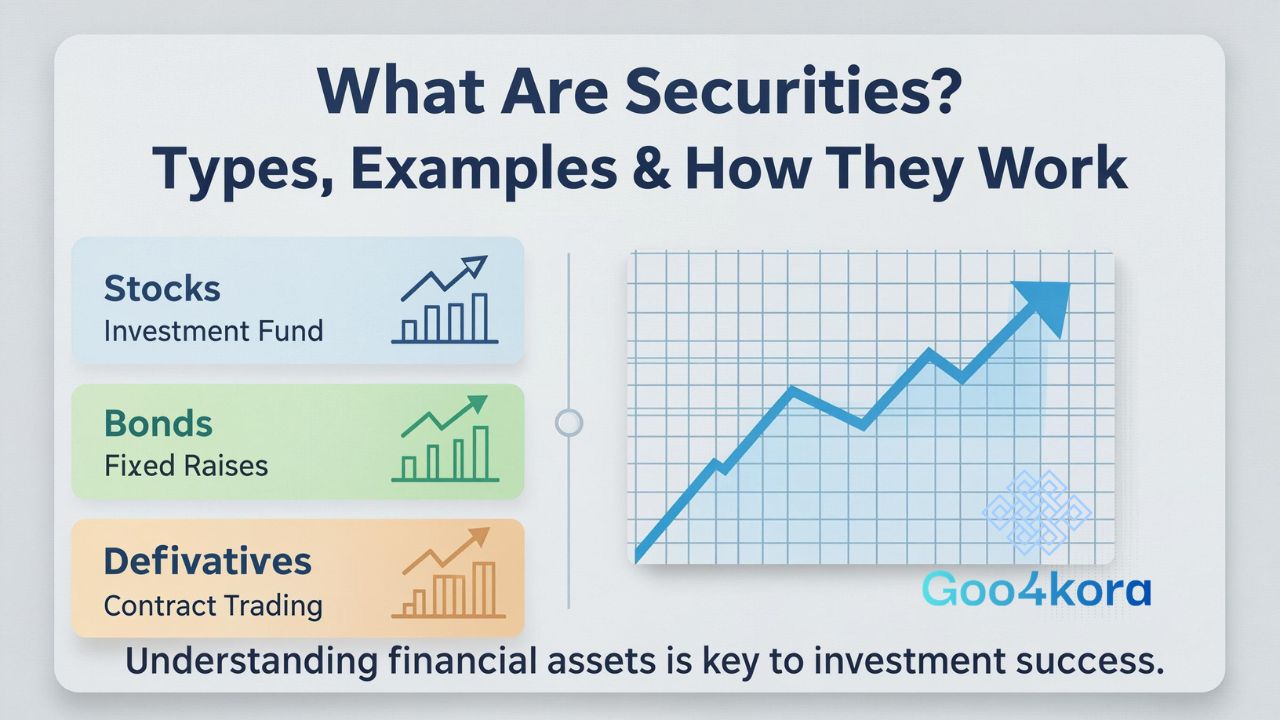
Securities typically fall into three broad categories:
- Equity securities (like stocks)
- Debt securities (like bonds)
- Derivative securities (like options and futures)
These instruments allow businesses to raise capital and investors to grow wealth. They create a structured way for money to flow from those who have capital to those who need it.
Key Characteristics of Securities
To truly understand what are securities, it helps to look at their defining features:
- Tradability – Most securities can be bought and sold in financial markets.
- Standardization – They are structured and regulated, ensuring consistency.
- Transferability – Ownership can be transferred between investors.
- Regulation – Securities are subject to financial laws to protect investors.
- Value Representation – They represent ownership, debt, or contractual rights.
These characteristics are what distinguish securities from other assets like real estate or collectibles.
Why Securities Exist in the First Place
Every business needs capital to grow. Governments need funds to build roads, hospitals, and infrastructure. Securities are the bridge between capital seekers and investors.
For example:
- A company issues stock to raise funds for expansion.
- A government issues bonds to finance public projects.
- Investors purchase these securities expecting returns.
This system forms the backbone of modern capital markets.

Through securities, risk and reward are distributed across millions of participants. That’s why understanding what are securities is essential for anyone participating in today’s economy.
Types of Securities Explained
Equity Securities (Stocks)
Equity securities represent ownership in a company. When you buy shares of stock, you become a partial owner.
This ownership comes with potential benefits:
- Dividends (a share of profits)
- Voting rights
- Capital appreciation (increase in share price)
Stocks are considered growth-oriented investments. However, they also carry higher risk because their value fluctuates based on company performance and market conditions.
When people first explore what are securities, stocks are usually the most recognizable example.
Debt Securities (Bonds)
Debt securities represent borrowed money. When you purchase a bond, you are essentially lending money to a corporation or government.
In return, you receive:
- Regular interest payments
- Return of principal at maturity
Bonds are generally considered more stable than stocks, though they are not risk-free. Factors like interest rates, inflation, and credit risk affect their value.
If stocks represent ownership, bonds represent obligation.
Derivative Securities
Derivatives derive their value from an underlying asset such as stocks, commodities, currencies, or indices.
Common examples include:
- Options
- Futures contracts
- Swaps
Derivatives are often used for hedging (risk management) or speculation. They can be complex and are typically better suited for experienced investors.
How Securities Are Traded
Most securities are traded on organized exchanges or over-the-counter (OTC) markets.
Stock Exchanges
Exchanges provide:
- Transparency
- Liquidity
- Regulatory oversight
Buyers and sellers meet through electronic platforms, where prices are determined by supply and demand.
Over-the-Counter Markets
OTC markets are less centralized. Securities traded here may include smaller companies’ shares or certain debt instruments.
Understanding trading environments adds depth to the question of what are securities, because how they’re traded affects pricing and risk.
How Securities Generate Returns
Securities generate returns in two main ways:
- Income – Dividends (stocks) or interest (bonds)
- Capital Gains – Selling an asset for more than you paid
For example:
- Buy a stock at $50, sell at $70 → $20 capital gain
- Hold a bond paying 5% annual interest → predictable income
The combination of income and growth potential is what makes securities central to long-term wealth building.

A diversified portfolio often includes multiple types of securities to balance risk and reward.
Risks Associated with Securities
No investment is risk-free. Even understanding what are securities must include a realistic discussion of risk.
Market Risk
Prices fluctuate due to economic events, earnings reports, geopolitical tensions, and investor sentiment.
Credit Risk
Applies mainly to debt securities. If the issuer cannot repay, investors may lose money.
Interest Rate Risk
Bond prices often move inversely to interest rates.
Liquidity Risk
Some securities are harder to sell quickly without affecting price.
Recognizing these risks helps investors make informed decisions rather than emotional ones.
Regulation and Investor Protection
Securities markets are regulated to maintain fairness and transparency.
Regulators aim to:
- Prevent fraud
- Ensure accurate disclosure
- Maintain market integrity
- Protect retail investors
Public companies must provide regular financial statements, making it easier for investors to evaluate opportunities.
Without regulation, financial markets would lack trust—and trust is essential for securities to function.
Real-World Examples of Securities
To make the concept clearer, here are everyday examples:
- Shares of a technology company
- Government treasury bonds
- Corporate bonds issued by major firms
- Exchange-traded funds (ETFs)
- Mutual funds
- Stock options granted to employees
Each of these falls under the broader definition of securities.
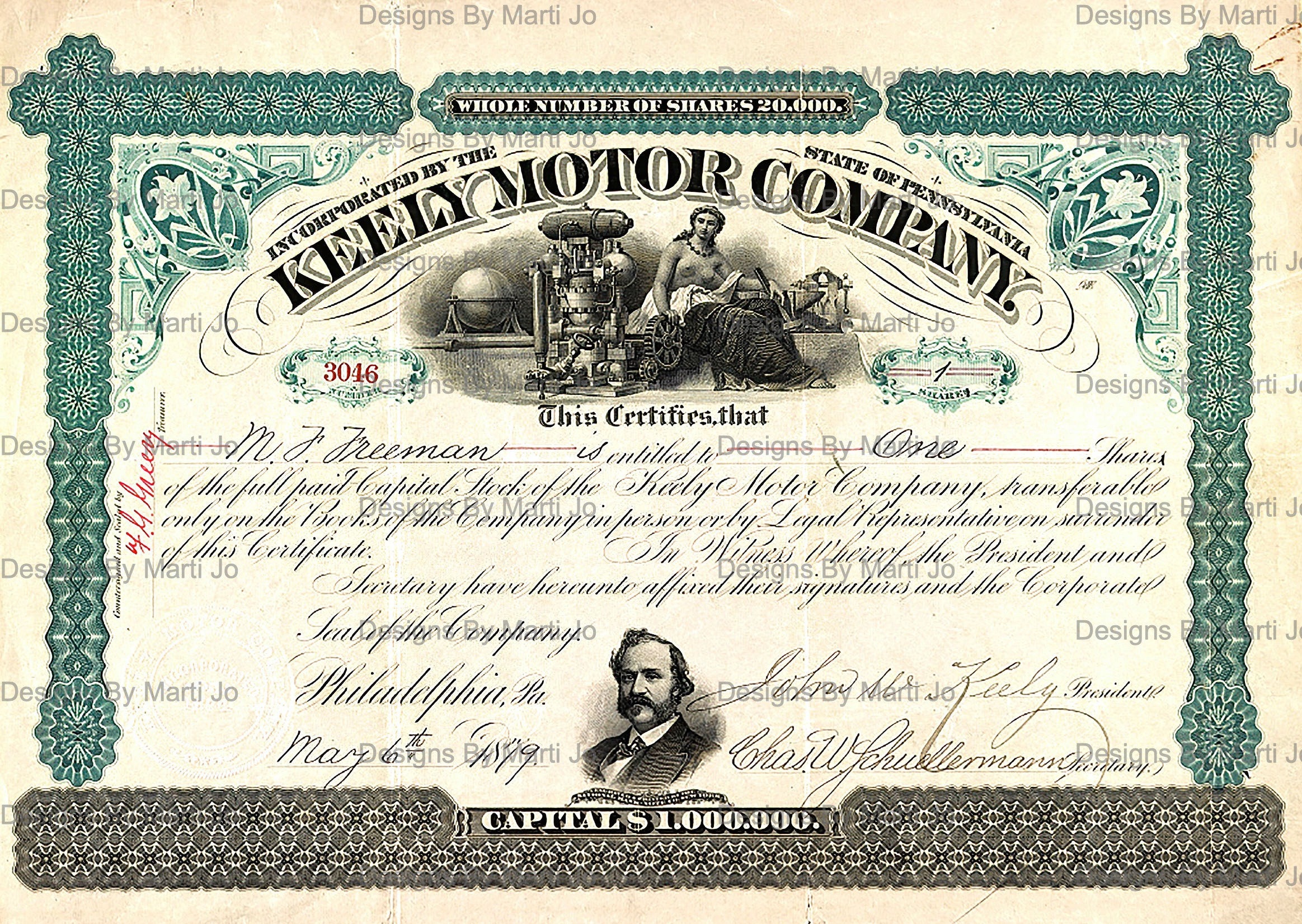

Seeing concrete examples often answers the practical side of what are securities.
Securities vs. Other Financial Assets
Not all assets are securities.
For example:
- Real estate is property, not a security (unless structured as a REIT).
- Gold bullion is a commodity.
- Cryptocurrencies may or may not qualify depending on jurisdiction.
The distinction matters for taxation, regulation, and risk evaluation.
How Beginners Should Approach Securities
If you’re new to investing, start simple.
Consider:
- Index funds
- Broad-market ETFs
- Diversified mutual funds
Focus on:
- Long-term growth
- Low fees
- Diversification
- Consistent investing habits
Trying to “beat the market” without understanding what are securities often leads to unnecessary risk.
How Securities Shape the Global Economy
Securities markets allocate capital efficiently. They:
- Fund innovation
- Support job creation
- Enable government spending
- Provide retirement income
- Encourage entrepreneurship
Without securities, businesses would struggle to scale and economies would slow dramatically.
Capital markets are not just financial tools—they are engines of progress.
FAQ
Frequently Asked Questions
What are securities in simple terms?
Securities are financial assets that can be bought and sold, such as stocks and bonds, representing ownership, debt, or financial rights.
Are stocks and securities the same thing?
Stocks are a type of security, specifically an equity security. Not all securities are stocks.
Why are securities important?
They allow businesses and governments to raise capital while giving investors opportunities to earn returns.
Are securities safe investments?
Some are safer than others. Government bonds are typically lower risk than individual stocks, but all investments carry some risk.
How do securities differ from assets?
All securities are financial assets, but not all assets are securities. Real estate and commodities are assets but not securities.
What is the difference between equity and debt securities?
Equity securities represent ownership, while debt securities represent loans made to issuers.
Can beginners invest in securities?
Yes. Many beginners start with ETFs or mutual funds to gain diversified exposure.
How do securities make money?
Through dividends, interest payments, and price appreciation over time.
Conclusion
Understanding what are securities is more than learning a financial definition—it’s gaining insight into how modern economies function and how individuals build wealth over time.
From stocks that represent ownership in innovative companies to bonds that finance governments and infrastructure, securities form the backbone of global finance. They create opportunity, distribute risk, and connect investors with ambition.
Whether you’re just starting your financial journey or looking to deepen your knowledge, learning how securities work empowers you to make informed decisions. And in a world where money constantly moves through markets, that knowledge isn’t optional—it’s essential.