
Introduction
There’s something oddly satisfying about pushing a giant cart through a warehouse store stacked floor to ceiling with bulk deals. But if you’ve ever wondered whether you’re getting the absolute best value—or if another retailer might suit your lifestyle better—you’re not alone. Exploring costco competitors can open your eyes to surprising options, from traditional warehouse clubs to digital-first giants.
Why does this matter? Because where you shop affects more than your grocery bill. It shapes your monthly budget, your convenience, your access to perks, and even your time. Some shoppers prioritize ultra-low prices, others want flexible memberships, and many crave convenience and variety. Knowing the landscape helps you make a confident decision instead of simply sticking to habit.
The retail world has evolved rapidly. Brick-and-mortar chains are battling online marketplaces, and membership-based models are competing with no-fee discount retailers. Let’s break down who the real challengers are and how they stack up.
Understanding the Warehouse Club Model
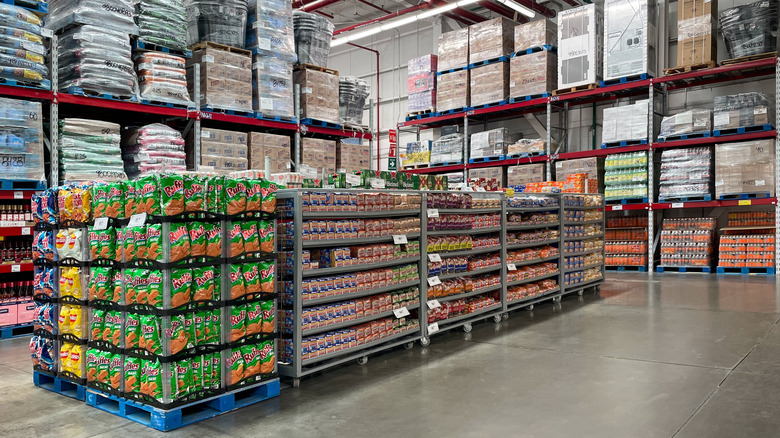
Warehouse clubs operate on a straightforward principle: sell products in bulk at lower margins and make profits primarily through membership fees. Customers typically pay an annual fee in exchange for access to discounted goods, limited product selection, and high-volume packaging.
This model thrives on efficiency. Stores are often minimally decorated, shelves are industrial, and product selection is curated rather than overwhelming. The idea is simple: fewer choices, bigger packages, lower prices.


However, membership clubs aren’t the only players offering value pricing. Traditional retailers, online marketplaces, and hybrid chains are now serious contenders.
Major Warehouse Club Costco Competitors
Sam’s Club
Owned by Walmart, Sam’s Club is often the first name that comes up when discussing alternatives. It mirrors the membership model closely but introduces subtle differences.
What sets it apart?
- Competitive pricing on household staples
- Strong technology integration through its app
- Scan-and-go checkout for faster shopping
- Wider brand-name selection in some categories
Sam’s Club often appeals to tech-savvy shoppers who appreciate digital convenience layered onto bulk buying.
BJ’s Wholesale Club
BJ’s operates primarily in the eastern United States and is known for a slightly more traditional supermarket feel.
Why shoppers choose BJ’s:
- Accepts manufacturer coupons (rare among warehouse clubs)
- Offers smaller pack sizes on certain items
- Frequent promotional membership deals
This flexibility can be especially appealing for smaller households that don’t always need massive quantities.
Big-Box Retailers Competing on Price
Not all competitors require a membership. Some focus purely on low pricing and accessibility.
Walmart
With thousands of stores worldwide, Walmart competes aggressively on price. While it doesn’t require a membership, its everyday low pricing strategy makes it a powerful rival.
Advantages include:
- No annual fee
- Wide geographic presence
- Online ordering with pickup and delivery
For shoppers who don’t buy in bulk regularly, Walmart can offer similar savings without upfront commitment.
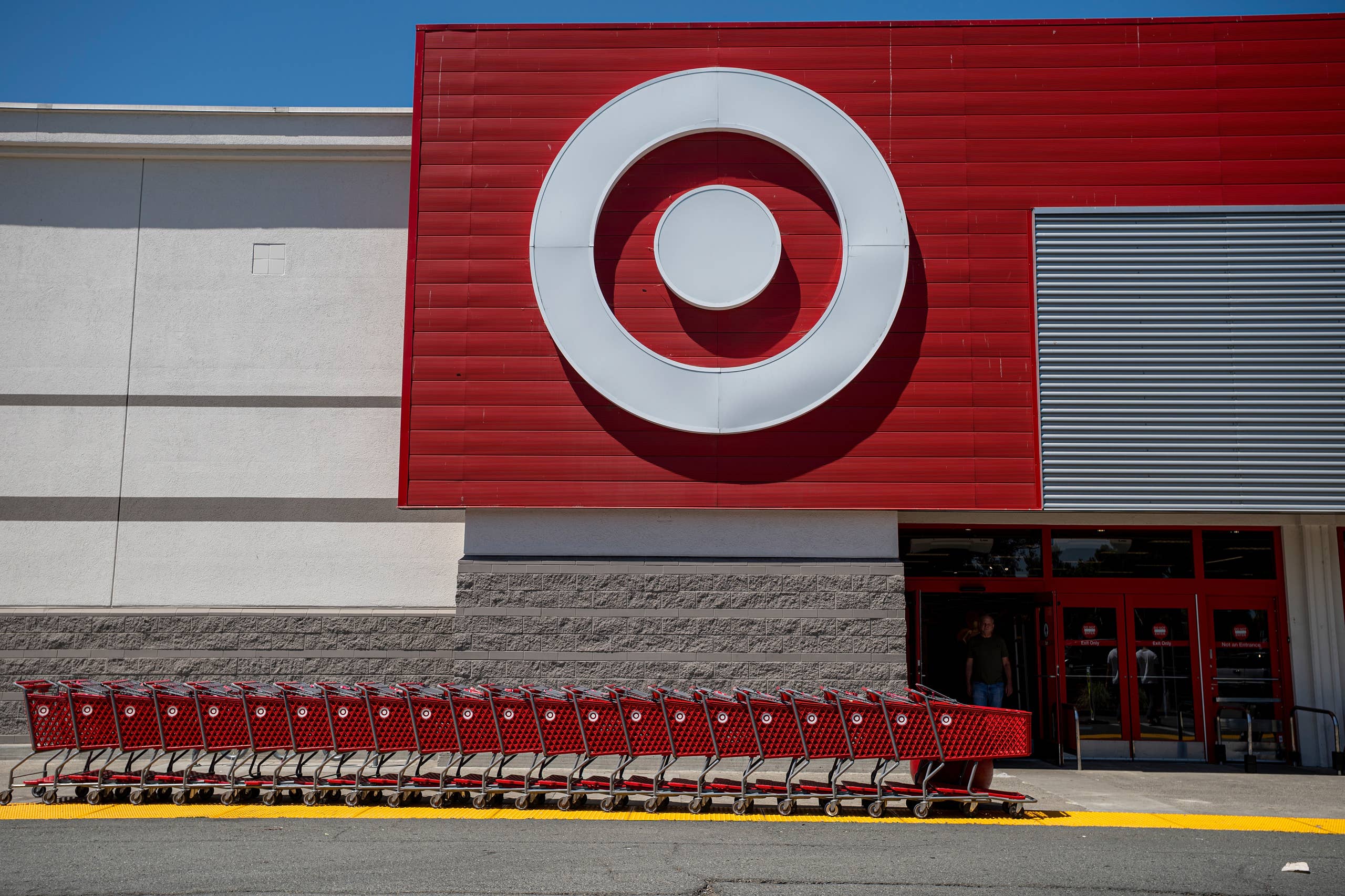
Target
Target takes a slightly different approach. It balances affordability with curated design and private-label brands.
Target’s strengths include:
- Stylish store experience
- Strong in-house brands
- Loyalty rewards through Target Circle
Though it may not match bulk pricing on every item, it often competes effectively on essentials.

Online Retail Giants as Costco Competitors
Amazon
Online marketplaces have dramatically changed the retail landscape. Amazon offers subscription-based benefits through Prime, echoing the membership model in digital form.
Benefits include:
- Fast shipping
- Wide product variety
- Competitive bulk listings
- Subscription discounts
For many consumers, the convenience factor outweighs the in-store warehouse experience.
Boxed (Warehouse Online Concept)
Though smaller in scale, online bulk retailers focus specifically on delivering warehouse-style savings without physical stores. These platforms appeal to urban shoppers without car access.
Grocery Chains Expanding Into Bulk
Traditional grocery stores have stepped into the bulk game.
Kroger and Regional Chains
Many supermarkets now offer:
- Family-size packages
- Store-brand discounts
- Loyalty programs
- Weekly promotional cycles
These features make them viable alternatives for shoppers who prefer proximity and flexibility over bulk-only purchases.
Price Comparison: What Really Matters?
When comparing costco competitors, price alone isn’t the only metric. Consider:
- Membership cost
- Unit pricing
- Product variety
- Return policies
- Rewards and cashback programs
- Convenience and accessibility
For example, if you rarely buy large quantities, a membership may not justify its cost. On the other hand, frequent bulk shoppers may recoup the fee within a few visits.
Membership Fees vs. No-Fee Retail
Membership clubs rely on annual fees for a portion of their profit. That creates loyalty but also risk for consumers.
Ask yourself:
- Do I shop there at least once per month?
- Do I spend enough annually to offset the fee?
- Do I benefit from additional perks like travel discounts or pharmacy savings?
In contrast, no-fee retailers remove that barrier but may distribute savings differently.
Product Quality and Private Labels
Private labels are a key differentiator. Many clubs and retailers now invest heavily in in-house brands.
Benefits of strong private labels:
- Lower prices
- Comparable quality to national brands
- Exclusive offerings
Shoppers increasingly report satisfaction with store brands, narrowing the gap between competitors.

Technology and Shopping Experience
Retail isn’t just about price anymore. Technology plays a huge role.
Innovations include:
- Self-checkout
- Scan-and-go apps
- AI-driven recommendations
- Subscription autoship programs
Some competitors lead in digital integration, while others excel in in-store simplicity.
Sustainability and Ethical Considerations
Modern consumers care about sourcing, packaging, and environmental impact. Retailers now compete on:
- Sustainable packaging
- Ethical sourcing certifications
- Reduced food waste
- Renewable energy initiatives
These factors may influence where shoppers ultimately choose to spend their money.
Which Type of Shopper Benefits Most?
Different shoppers align with different models:
Large families: Bulk clubs often provide best value.
Urban professionals: Online bulk or delivery-focused retailers win.
Occasional buyers: No-fee retailers are more practical.
Deal hunters: Stores accepting coupons may offer better flexibility.
Understanding your own habits is just as important as comparing stores.
Frequently Asked Questions
FAQs
Are Costco competitors cheaper than Costco?
It depends on the product category and buying habits. Some rivals beat prices on select items, while others compete through convenience rather than lower cost.
Do all warehouse clubs require membership?
No. Some bulk-style retailers operate without membership fees, though traditional warehouse clubs typically require one.
Which competitor is best for online shopping?
Online marketplaces generally provide the widest selection and fastest shipping, making them strong options for digital shoppers.
Is Sam’s Club better than other warehouse stores?
It varies by location, pricing, and preference. Some shoppers prefer its tech-forward approach and scan-and-go features.
Can I shop at BJ’s without a membership?
BJ’s occasionally offers trial passes or promotional access, but regular shopping requires membership.
Are bulk stores worth it for small households?
If storage space is limited or consumption is low, bulk purchases may not always be practical.
Which store offers the best return policy?
Policies vary widely. Warehouse clubs often provide generous return windows, but specifics depend on product category.
Do online retailers truly match warehouse pricing?
Sometimes. Online platforms may match or beat prices on select goods but may not consistently undercut physical warehouse stores.
Conclusion
Retail competition has never been more intense—or more beneficial for shoppers. Exploring costco competitors isn’t about abandoning loyalty; it’s about making informed decisions. Whether you prioritize bulk savings, digital convenience, flexible memberships, or stylish store experiences, there’s likely a retailer tailored to your needs.
The smartest approach is not to ask which store is universally best, but which one aligns with your shopping habits, budget, and lifestyle. When you understand the strengths and trade-offs of each option, every trip to the checkout becomes a strategic win.