Introduction
Few stocks spark as much excitement—or anxiety—as Nvidia. When quarterly results drop, traders rush to their screens, headlines explode, and price charts start dancing. It’s no surprise that nvidia stock after earnings has become one of the most closely watched moments in modern markets.
Why does this matter so much? Because Nvidia sits at the center of the AI revolution. Its chips power everything from cloud data centers to generative AI tools, and Wall Street expectations are sky-high. When earnings land, they don’t just confirm numbers—they shape investor psychology, sector momentum, and even broader market direction.
If you’re wondering whether to buy, hold, or sell, you’re not alone. In this deep dive, we’ll unpack how nvidia stock after earnings typically behaves, what drives post-report volatility, and how long-term investors can separate noise from real opportunity.
Why Earnings Matter So Much for Nvidia
Earnings reports are always important, but for Nvidia, they carry extra weight. The company’s growth rate has been extraordinary, and expectations often border on aggressive optimism.
After every report, investors analyze:
- Revenue growth (especially data center and AI segments)
- Gross margins
- Forward guidance
- Supply constraints and demand outlook
- Capital expenditure trends among big cloud customers
Two forces collide here: explosive growth and extreme expectations. That’s why nvidia stock after earnings can swing dramatically—even when results look strong on paper.
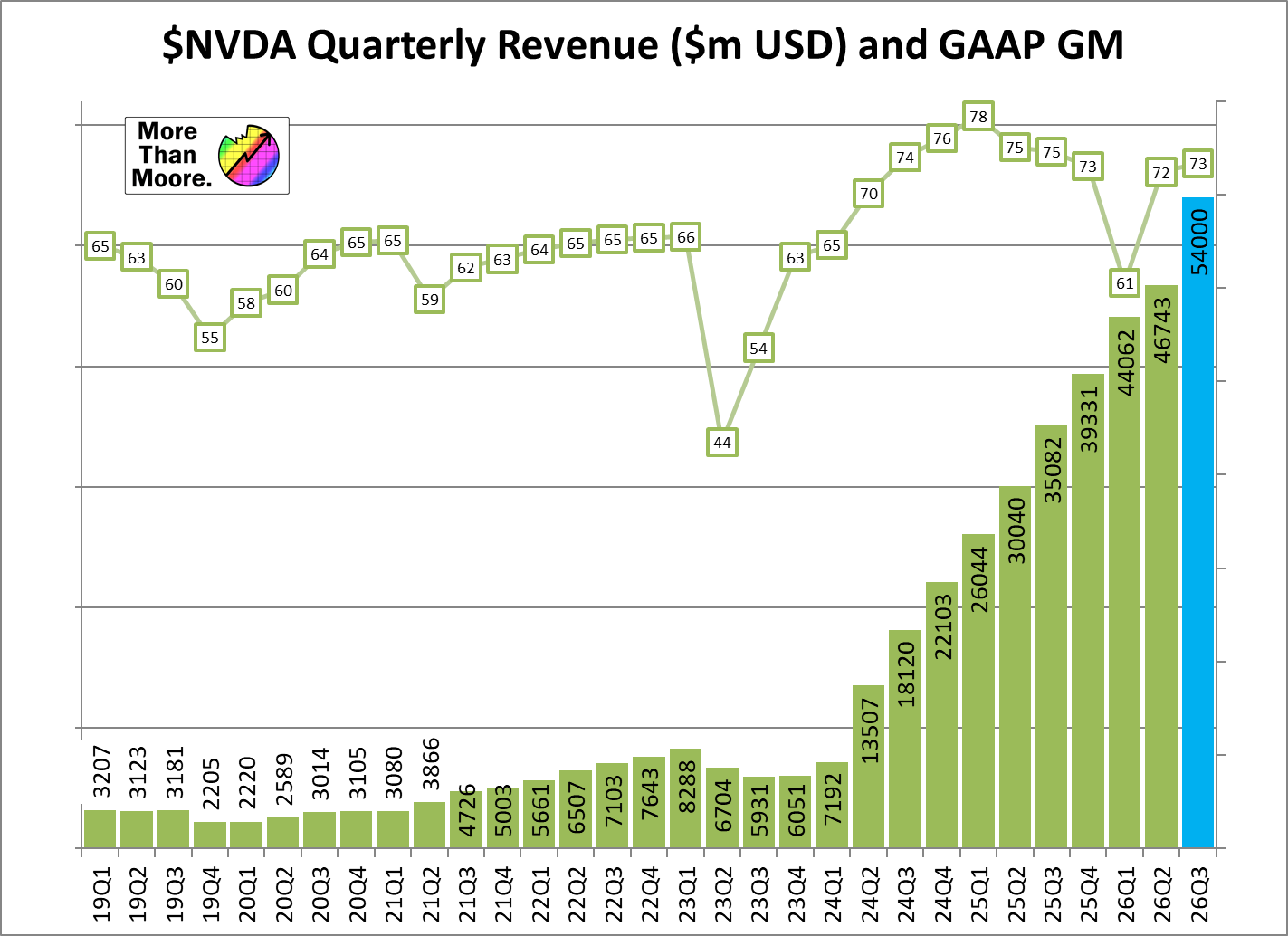

Sometimes the stock drops despite record-breaking revenue. Other times it surges even when growth slightly slows. The reason? Markets price in the future, not the past.
Understanding Nvidia’s Business Drivers
To interpret nvidia stock after earnings, you first need to understand where the company makes its money.
Data Center and AI Revenue
The data center segment has become Nvidia’s growth engine. AI training clusters, enterprise servers, and cloud providers rely heavily on Nvidia GPUs. When management signals continued demand strength, investor confidence tends to spike.
However, if guidance suggests slowing orders or capacity bottlenecks, nvidia stock after earnings can react sharply.
Gaming Segment
While AI dominates headlines, gaming still plays a role. GPU sales for PC gaming can influence overall revenue mix. Weak consumer spending or inventory adjustments sometimes surprise analysts.
Automotive and Edge Computing
These smaller segments represent future optionality. Updates on autonomous driving partnerships or AI at the edge can shift long-term sentiment.
How Nvidia Stock After Earnings Typically Reacts
Stock movement following earnings usually falls into one of four patterns:
- Blowout Beat and Raised Guidance
The stock gaps up significantly, sometimes double digits. - Beat but Lower Future Expectations
Shares may fall despite solid historical numbers. - Inline Results, Neutral Guidance
Mild volatility followed by consolidation. - Miss or Margin Pressure
Sharp sell-off, often exaggerated in high-expectation environments.
The key point: nvidia stock after earnings reflects forward-looking expectations, not just reported results.


4
Short-term traders often focus on technical levels like:
- Previous resistance
- 50-day and 200-day moving averages
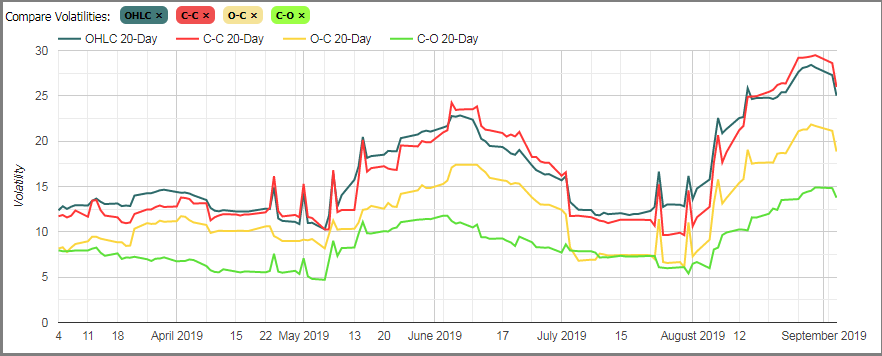
- Options market implied volatility
Long-term investors focus more on guidance and structural growth.
Valuation: Is Nvidia Priced for Perfection?
One recurring question around nvidia stock after earnings is valuation. Nvidia often trades at a premium price-to-earnings ratio compared to the broader market.
Why the Premium Exists
- Dominance in AI chips
- Strong pricing power
- High margins
- Rapid revenue growth
The Risk of High Expectations
Premium valuations leave little room for disappointment. Even small slowdowns can trigger outsized reactions.
When analyzing nvidia stock after earnings, investors often look at:
- Forward P/E ratio
- Price-to-sales ratio
- Revenue growth rate vs. valuation multiple
- Free cash flow expansion
If growth outpaces valuation expansion, long-term upside remains intact. If growth slows while multiples remain stretched, risk increases.
Market Psychology and Momentum
Markets are emotional. Fear and greed amplify earnings reactions.
After strong results, nvidia stock after earnings can experience momentum buying, where institutional investors add exposure. Retail investors often chase rallies, adding to volatility.
On the flip side, profit-taking is common after big runs. Even exceptional numbers might trigger “sell the news” behavior.
Understanding sentiment helps investors avoid reactive decisions.
Short-Term Traders vs Long-Term Investors
Different strategies interpret nvidia stock after earnings differently.
For Short-Term Traders
Traders focus on:
- Earnings gaps
- Options implied volatility crush
- Breakout or breakdown levels
- After-hours price action
Risk management is critical because earnings volatility can be extreme.
For Long-Term Investors
Long-term investors ask:
- Is AI demand sustainable?
- Are margins expanding?
- Does Nvidia maintain competitive advantage?
- Is free cash flow growing consistently?
For them, nvidia stock after earnings is less about one-day movement and more about multi-year trajectory.
The Role of AI Hype
Artificial intelligence has transformed Nvidia from a gaming chip company into a foundational AI infrastructure provider.
But hype can distort expectations.
When enthusiasm peaks, nvidia stock after earnings faces heightened scrutiny. Investors want proof that AI spending is durable—not temporary.
Key signals to watch:
- Cloud provider capital spending plans
- Enterprise AI adoption trends
- Competition from alternative chipmakers
- Regulatory or geopolitical risks
Risks That Could Impact Future Earnings
No stock is risk-free. With Nvidia, potential risks include:
- Slower AI infrastructure spending
- Increased competition
- Supply chain constraints
- Export restrictions
- Macro slowdowns affecting enterprise budgets
Each earnings season re-tests these risks. That’s why nvidia stock after earnings becomes a referendum on future resilience.


(Infographic: AI chip market growth trends and revenue projections)
Investors should balance optimism with realistic risk assessment.
Historical Performance Patterns
Looking back at prior quarters, nvidia stock after earnings has shown:
- Frequent double-digit moves
- Sharp reversals
- Sustained post-earnings rallies during AI boom
- Occasional corrections after euphoric runs
Patterns matter—but they don’t guarantee future outcomes.
Earnings season is when narrative meets numbers.
Institutional Ownership and Market Impact
Nvidia is widely held by institutional investors, including major ETFs and pension funds.
When results surprise positively, fund managers often rebalance portfolios, increasing exposure. This adds fuel to rallies.
Conversely, if expectations reset lower, large funds trimming positions can amplify declines.
That institutional influence makes nvidia stock after earnings particularly impactful on the broader tech sector.
Should You Buy Nvidia After Earnings?
There’s no universal answer.
Some investors prefer buying before earnings, betting on strong results. Others wait until volatility settles.
Consider these questions:
- Are you investing for long-term AI growth?
- Can you tolerate short-term swings?
- Does the valuation align with your risk tolerance?
- Are you diversified across sectors?
Often, disciplined dollar-cost averaging reduces timing risk.
Long-Term Outlook for Nvidia
Despite volatility, Nvidia remains positioned at the core of AI infrastructure.
If AI adoption continues accelerating across industries—healthcare, finance, manufacturing—Nvidia’s long-term runway remains significant.
However, each quarter tests the sustainability of that thesis. That’s why nvidia stock after earnings consistently commands global investor attention.
FAQ
What usually happens to Nvidia stock after earnings?
It often experiences large price swings due to high expectations. Movement depends more on guidance than past performance.
Why does Nvidia stock drop even after strong earnings?
Markets price in future growth. If guidance falls short of expectations, shares may decline despite strong reported results.
Is Nvidia stock too expensive after earnings?
Valuation depends on growth sustainability. High multiples require continued rapid expansion.
Should I wait to buy Nvidia after earnings?
Waiting can reduce volatility risk, but it may also mean missing rapid upside moves.
How important is AI revenue in earnings reports?
AI-related data center revenue is now the primary growth driver and heavily influences investor reaction.
Can Nvidia maintain its AI leadership?
It currently dominates AI GPUs, but competition and innovation cycles always pose challenges.
Does Nvidia’s stock affect the broader market?
Yes, as a major tech stock, its earnings can influence semiconductor and AI-related stocks.
Is Nvidia suitable for conservative investors?
Its volatility may not suit conservative profiles unless part of a diversified portfolio.
Conclusion
Earnings season transforms Nvidia into the focal point of global markets. Whether shares surge or stumble, the reaction reflects not just quarterly numbers—but investor belief in the future of AI.
For those watching nvidia stock after earnings, the real question isn’t just what happened yesterday. It’s whether the long-term growth story remains intact.
Short-term swings will continue. Expectations will evolve. But as long as artificial intelligence reshapes industries worldwide, Nvidia will remain at the center of the conversation—and the volatility.