
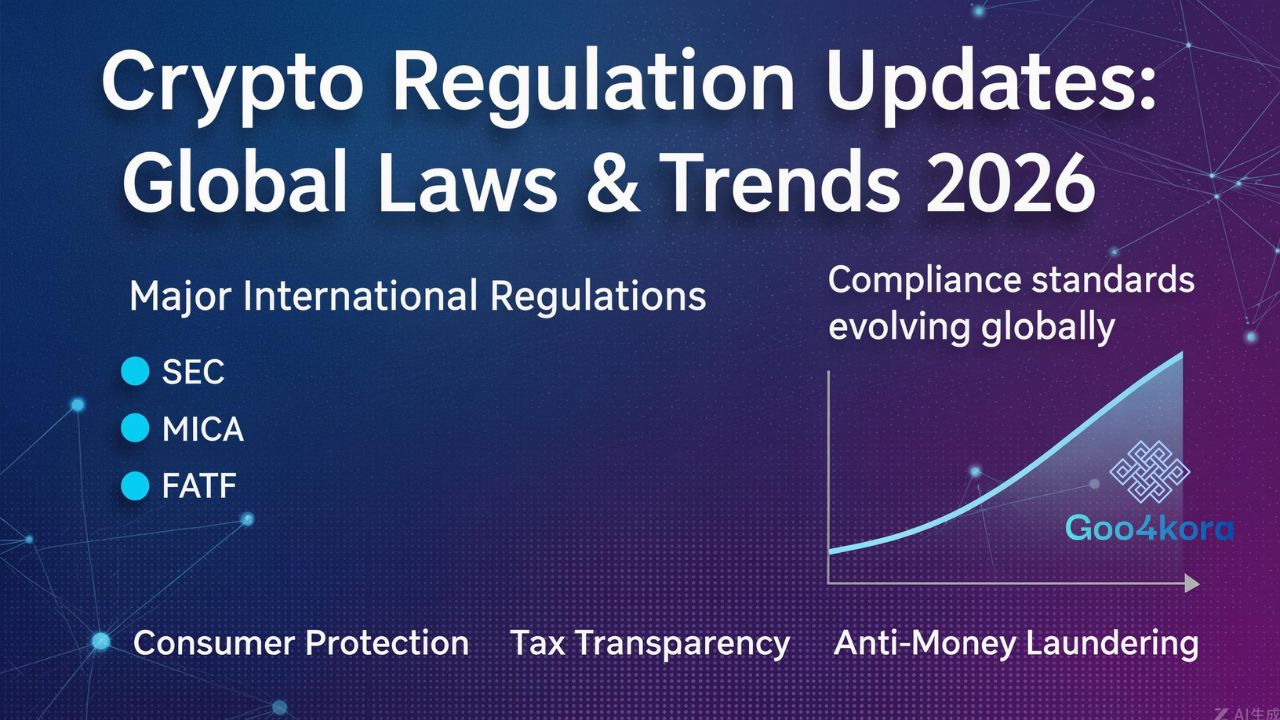
The world of digital assets moves fast—but laws often move faster when billions of dollars are at stake. In recent months, crypto regulation updates have reshaped how investors trade, how exchanges operate, and how governments view decentralized finance. If you’re holding Bitcoin, building a Web3 startup, or simply watching from the sidelines, these policy changes directly affect you.
From the United States tightening enforcement to Europe rolling out structured frameworks, the conversation around crypto has matured. It’s no longer just about price charts and bull runs. It’s about compliance, transparency, taxation, and investor protection. Understanding crypto regulation updates isn’t optional anymore—it’s essential.

Governments argue regulation protects consumers. Critics fear it stifles innovation. In reality, both perspectives hold weight. This guide breaks down the latest policy shifts, explains what they mean in practical terms, and highlights where the industry may be heading next.
The Global Landscape of Crypto Regulation
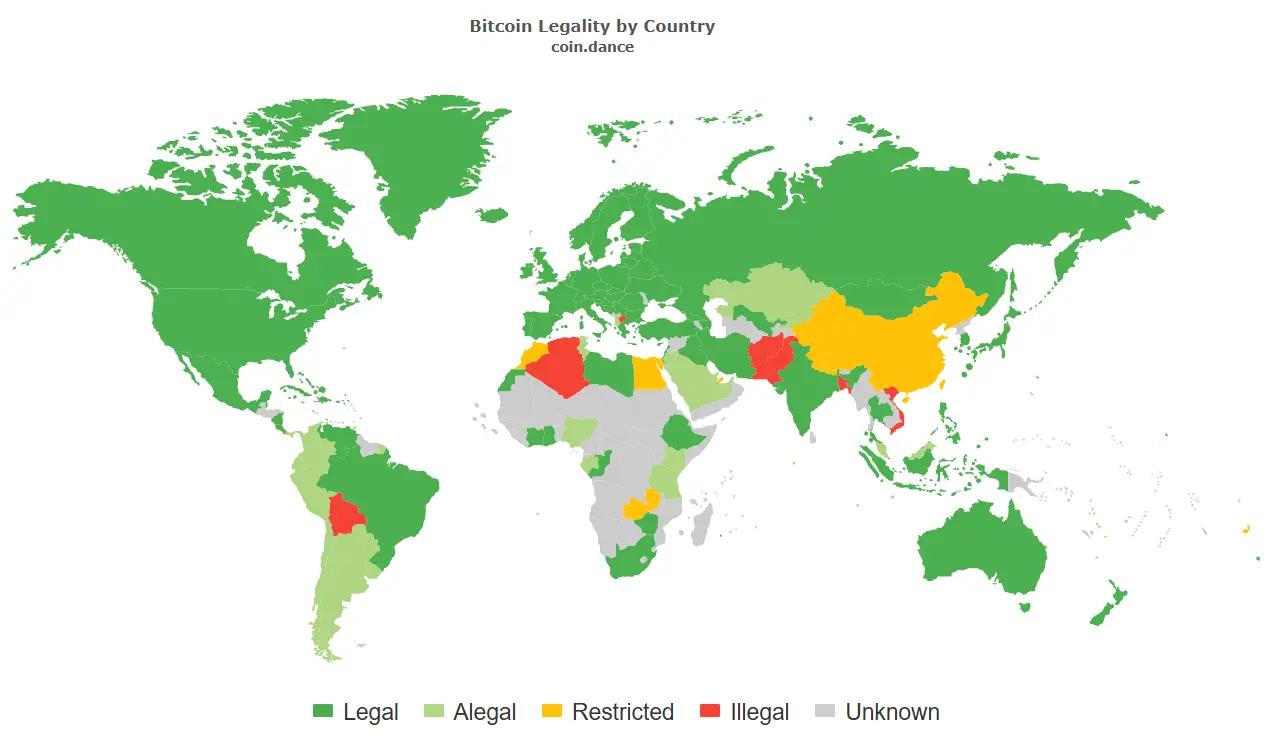
The regulatory environment for digital assets differs dramatically across jurisdictions. Some countries welcome blockchain innovation; others impose outright bans. However, a clear trend is emerging: structured oversight rather than prohibition.
Why Governments Are Regulating Crypto
Several driving factors influence crypto regulation updates worldwide:
- Consumer protection after exchange collapses
- Anti-money laundering (AML) concerns
- Tax revenue enforcement
- Financial stability risks
- Stablecoin oversight
In 2022 and 2023, high-profile exchange failures wiped out billions in market value. Lawmakers responded with urgency. Investors demanded safeguards. The industry, once proud of minimal oversight, began calling for clarity instead of uncertainty.
A Shift From Reaction to Framework
Early regulation was reactive—focused on lawsuits and enforcement actions. Today, many governments are building proactive frameworks. This means licensing regimes, disclosure requirements, capital reserves, and investor reporting obligations.
United States: Enforcement and Legislative Shifts
SEC and CFTC Oversight
In the U.S., regulatory clarity remains a moving target. The Securities and Exchange Commission (SEC) continues asserting authority over digital assets it considers securities, while the Commodity Futures Trading Commission (CFTC) claims jurisdiction over commodities like Bitcoin.
Recent crypto regulation updates in the U.S. have centered around:
- Exchange registration requirements
- Stablecoin supervision
- Custody standards
- Disclosure obligations for token issuers
Lawmakers have introduced multiple bills aiming to define digital assets more clearly. However, bipartisan agreement remains elusive.
Enforcement vs. Innovation Debate
Some industry leaders argue aggressive enforcement drives companies offshore. Others say stricter rules encourage institutional participation. In reality, both outcomes are happening simultaneously. Venture capital funding in compliant crypto startups has increased, even as smaller projects struggle with legal uncertainty.
Europe’s Structured Approach with MiCA
What Is MiCA?
The Markets in Crypto-Assets (MiCA) framework represents one of the most comprehensive crypto regulatory efforts globally. Unlike fragmented U.S. policies, MiCA provides a unified rulebook across European Union member states.
Key components include:
- Licensing requirements for crypto service providers
- Consumer disclosure rules
- Stablecoin reserve mandates
- Anti-market manipulation protections
Europe’s approach signals a major evolution in crypto regulation updates: from ambiguity to standardization.
Why MiCA Matters Globally
Even companies outside the EU are adapting to MiCA standards to maintain European access. This ripple effect demonstrates how strong regulatory frameworks influence global compliance norms.
Asia and Emerging Markets: Diverging Strategies
Asia presents a fascinating contrast.
- Japan maintains strict exchange licensing laws.
- Singapore emphasizes AML compliance while supporting innovation.
- China enforces a crypto trading ban but promotes blockchain development.
- Hong Kong has reintroduced regulated crypto trading platforms.
These varied approaches illustrate how crypto regulation updates reflect broader economic philosophies. Some nations see crypto as a risk. Others view it as an opportunity to lead fintech innovation.
How Crypto Regulation Updates Impact Investors
Regulation affects more than corporations—it directly influences individual investors.
Increased Transparency
Exchanges must now provide clearer risk disclosures. Investors gain better insight into tokenomics, custody practices, and reserve backing.
Reduced Counterparty Risk
Stronger capital requirements reduce the likelihood of sudden collapses. While regulation cannot eliminate risk, it lowers systemic vulnerability.
Potential Downsides
However, increased compliance costs often translate into:
- Higher trading fees
- Stricter KYC processes
- Limited access to certain tokens
That said, long-term market stability often benefits patient investors.
Business, Exchanges, and Compliance Requirements
Crypto startups once thrived on minimal overhead. Today, compliance departments are expanding rapidly.
Core Compliance Elements
Businesses now face requirements such as:
- Know Your Customer (KYC) verification
- AML reporting
- Periodic audits
- Licensing approvals
- Data transparency measures
For exchanges, failure to comply can result in heavy fines or operational bans.
Institutional Adoption
Ironically, stricter crypto regulation updates have encouraged banks and hedge funds to enter the market. Regulatory clarity reduces legal risk for traditional financial institutions.
DeFi, Stablecoins, and CBDCs
The DeFi Challenge
Decentralized finance operates without centralized intermediaries. Regulators struggle to classify protocols that run autonomously. Some proposals target developers, others focus on front-end operators.
Stablecoin Oversight
Stablecoins represent a major regulatory focus. Governments demand proof of reserves and transparency. Without oversight, systemic risk could spill into traditional markets.
Central Bank Digital Currencies (CBDCs)
While regulating private cryptocurrencies, governments are simultaneously developing their own digital currencies. CBDCs combine blockchain efficiency with central oversight.
Taxation and Reporting Obligations
Tax authorities worldwide are strengthening reporting mandates. Investors must now:
- Report capital gains
- Track transaction histories
- Declare staking rewards
- Disclose foreign exchange accounts
Failure to comply can result in penalties. Crypto regulation updates increasingly integrate blockchain analytics tools to track transactions more effectively.

Personal Backgrounds of Key Regulatory Figures
Gary Gensler (SEC Chair)
Gary Gensler previously taught blockchain technology at MIT. His background in finance and academia shapes his enforcement-focused stance. Critics call him aggressive; supporters view him as protective of investors. His estimated net worth is reported in the multi-million dollar range due to prior public service and private sector roles.
Christine Lagarde (ECB President)
Christine Lagarde, former head of the IMF, advocates for regulated digital currencies and supports the development of a digital euro. Her leadership reflects a cautious but structured approach to financial innovation.
These influential figures shape global crypto regulation updates through policy decisions and public messaging.
Frequently Asked Questions
What are crypto regulation updates?
They refer to changes in laws, policies, and enforcement actions governing cryptocurrencies, exchanges, and digital asset businesses.
Why are governments increasing crypto oversight?
Primarily for consumer protection, AML enforcement, taxation, and financial stability.
Do regulations hurt crypto prices?
Short-term volatility may increase. However, long-term stability often improves with clear rules.
Is crypto banned anywhere?
Yes, certain countries restrict or ban trading. However, many others regulate instead of prohibit.
How does MiCA affect global markets?
MiCA sets a comprehensive EU standard that influences global compliance strategies.
Are DeFi platforms regulated?
Regulation is evolving. Some jurisdictions target developers or interface providers rather than protocols themselves.
Do I need to report crypto taxes?
In most countries, yes. Capital gains and certain crypto income events are taxable.
Will regulation stop innovation?
Not necessarily. Many argue clarity actually fosters responsible growth.
Conclusion
The era of regulatory uncertainty is slowly giving way to structured oversight. Crypto regulation updates now shape investment strategies, business models, and even national economic plans. While some fear overreach, others welcome clarity. In reality, regulation is neither the hero nor the villain—it’s the framework within which the next phase of digital finance will unfold.
As governments refine policies and technology evolves, staying informed is the smartest move any investor or entrepreneur can make. The crypto industry is maturing. And like any maturing market, rules are becoming part of the landscape.