
Introduction
Markets move every day, but when Warren Buffett makes a move, investors around the world stop and pay attention. Recent warren buffett stock sales have sparked intense curiosity among analysts, retail traders, and long-term investors alike. When the man known as the “Oracle of Omaha” trims positions or exits major holdings, it often signals deeper insights into market conditions.
For decades, Buffett has been synonymous with patience and long-term investing. His philosophy centers on buying great businesses and holding them for years—sometimes even decades. So when news breaks about significant stock sales from Berkshire Hathaway’s portfolio, it naturally raises questions: Is Buffett worried about the market? Is he repositioning for future opportunities?
Understanding warren buffett stock sales isn’t just about tracking transactions. It’s about interpreting signals from one of the most successful investors in history. By examining what he sells, when he sells it, and why, investors gain valuable insight into broader economic trends and smart portfolio management strategies.
Understanding Warren Buffett Stock Sales
When people talk about warren buffett stock sales, they’re referring to Berkshire Hathaway reducing or exiting positions in publicly traded companies.
Unlike many traders who buy and sell frequently, Buffett typically holds investments for long periods. This makes every sale particularly meaningful.
In Berkshire Hathaway’s regulatory filings—especially quarterly 13F filings with the U.S. Securities and Exchange Commission—investors can see exactly which stocks Buffett and his team are buying or selling.
What These Sales Typically Mean
Stock sales by Berkshire Hathaway can indicate several possibilities:
- Portfolio rebalancing
- Profit-taking after strong gains
- Changing economic outlook
- Business fundamentals deteriorating
- Capital allocation toward better opportunities
However, Buffett himself often warns investors not to overinterpret individual trades.
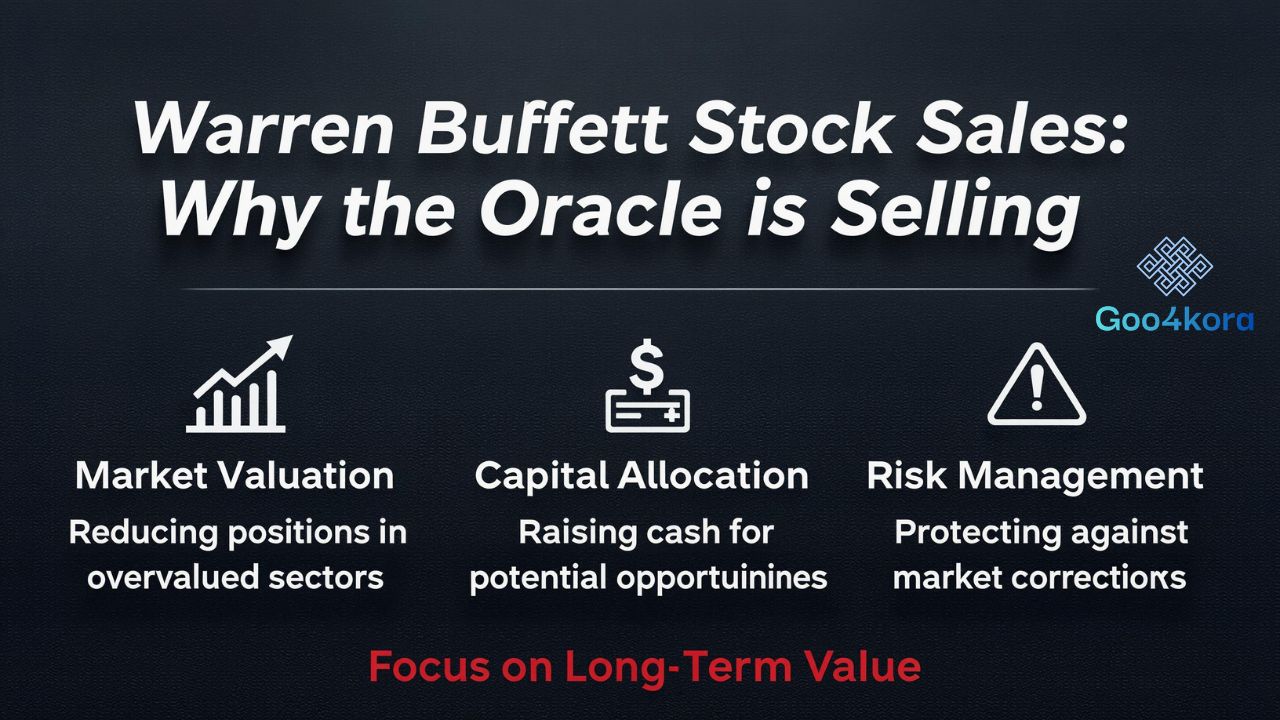
Why Warren Buffett Sells Stocks
Although Buffett is famous for holding stocks long term, selling is still an essential part of disciplined investing.
1. Changes in Business Fundamentals
Buffett invests primarily in companies with durable competitive advantages. If that advantage weakens, Berkshire may reduce its position.
For example:
- Declining profitability
- Increasing competition
- Poor leadership decisions
These factors can trigger stock sales.
2. Overvaluation
Even great companies can become overpriced.
If a stock rises far beyond its intrinsic value, Buffett may decide it’s better to lock in gains.
3. Portfolio Concentration Risks
Berkshire Hathaway manages hundreds of billions of dollars in assets. Sometimes warren buffett stock sales occur simply to rebalance exposure across industries.
For instance, if one stock grows too large relative to the portfolio, trimming becomes necessary.
4. Capital Reallocation
Buffett constantly looks for better opportunities.
Selling one investment may free capital for:
- New acquisitions
- Share buybacks
- Cash reserves for future deals
Major Warren Buffett Stock Sales in Recent Years
Several recent warren buffett stock sales have generated headlines across financial media.
Apple Stock Adjustments
Apple remains Berkshire Hathaway’s largest holding, but Buffett has occasionally trimmed the position.
Reasons include:
- Managing concentration risk
- Portfolio diversification
- Capital redeployment
Despite these sales, Buffett continues to praise Apple’s business model and brand strength.
Bank Stocks
Berkshire has significantly reduced exposure to some banking stocks in recent years.
Examples include reductions in:
- Wells Fargo
- JPMorgan
- Goldman Sachs
These moves occurred during periods of uncertainty in the financial sector.
Airline Industry Exit
One of the most dramatic warren buffett stock sales occurred in 2020 when Berkshire Hathaway exited all major airline holdings.
These included:
- Delta Air Lines
- United Airlines
- American Airlines
- Southwest Airlines
Buffett explained that the pandemic permanently altered airline economics.
Berkshire Hathaway’s Portfolio Strategy
Understanding Berkshire Hathaway’s investment approach helps explain why these stock sales occur.
Long-Term Value Investing
Buffett focuses on businesses that have:
- Strong brands
- Predictable earnings
- Competitive advantages
- Honest management teams
These companies often include consumer giants like Coca-Cola or technology leaders like Apple.
Concentrated Portfolio
Unlike many funds, Berkshire’s portfolio is highly concentrated.
Just a handful of stocks account for the majority of Berkshire’s investments.
Massive Cash Reserves
Another key strategy involves maintaining large cash reserves.
This allows Buffett to act quickly when market opportunities appear—especially during downturns.
Warren Buffett’s Investment Philosophy
To truly understand warren buffett stock sales, you must first understand the philosophy guiding his decisions.
Value Investing Principles
Buffett follows the principles of value investing originally taught by Benjamin Graham.
These include:
- Buying undervalued companies
- Investing with a margin of safety
- Focusing on intrinsic value rather than short-term market trends
Economic Moats
Buffett famously seeks businesses with economic moats—durable advantages that protect long-term profitability.
Examples include:
- Strong brands
- Network effects
- Cost advantages
- Regulatory barriers
Patience and Discipline
Perhaps Buffett’s greatest strength is patience.
He often waits years for the right opportunity, proving that successful investing isn’t about constant trading.
What Investors Can Learn From Buffett’s Stock Sales
Retail investors often analyze warren buffett stock sales for insights into smarter investing strategies.
Here are a few lessons worth noting.
Selling Is Part of Investing
Many beginners focus only on buying stocks. However, knowing when to sell is equally important.
Buffett demonstrates that disciplined selling protects long-term portfolio health.
Don’t Follow Blindly
Buffett himself warns against blindly copying his trades.
Why?
Because Berkshire’s decisions consider factors like:
- Tax implications
- Portfolio size
- Long-term acquisitions
These factors may not apply to individual investors.
Focus on Business Quality
Buffett emphasizes understanding the underlying business rather than reacting to short-term price changes.
Personal Background and Net Worth of Warren Buffett
Early Life
Warren Buffett was born in 1930 in Omaha, Nebraska. His interest in business started early—he sold newspapers, Coca-Cola bottles, and even ran pinball machine businesses as a teenager.
Education and Mentorship
Buffett studied under legendary investor Benjamin Graham at Columbia Business School. Graham’s teachings about value investing deeply shaped Buffett’s approach.
Building Berkshire Hathaway
Buffett initially bought shares of a struggling textile company called Berkshire Hathaway in the 1960s.
Over time, he transformed it into one of the most powerful conglomerates in the world.
Today Berkshire owns or holds stakes in companies such as:
- Apple
- Coca-Cola
- American Express
- Bank of America
- Chevron
Net Worth
Warren Buffett consistently ranks among the world’s richest individuals.
His estimated net worth often exceeds $120 billion, though he has pledged to donate most of his wealth to philanthropic causes.
How Market Conditions Influence Buffett’s Decisions
Market cycles strongly influence warren buffett stock sales.
Economic Uncertainty
During periods of uncertainty—such as recessions or global crises—Buffett may sell stocks to increase cash reserves.
This strategy provides flexibility when markets drop.
High Market Valuations
Buffett has occasionally warned that stock markets appear overvalued.
In such environments, Berkshire Hathaway may reduce positions and hold more cash.
Opportunity During Crashes
Interestingly, some stock sales occur before major investments.
Historically, Buffett has used market crashes to purchase high-quality companies at discounted prices.
Frequently Asked Questions
Why does Warren Buffett sell stocks?
Buffett sells stocks for several reasons, including overvaluation, deteriorating business fundamentals, portfolio rebalancing, and reallocating capital into better opportunities.
Do warren buffett stock sales signal a market crash?
Not necessarily. While investors often interpret Buffett’s moves as market signals, many stock sales are routine portfolio adjustments rather than predictions.
Which stocks has Buffett sold recently?
Recent adjustments have involved reductions in banking stocks, trimming Apple holdings, and exiting airline companies during the pandemic.
Should investors copy Buffett’s stock sales?
Following Buffett blindly isn’t recommended. His investment decisions consider factors like Berkshire’s portfolio size, taxes, and long-term acquisition plans.
How often does Buffett sell stocks?
Compared with most investors, Buffett sells relatively infrequently. He typically holds investments for many years.
What is Berkshire Hathaway’s largest holding?
Apple remains Berkshire Hathaway’s largest stock investment, accounting for a substantial portion of the portfolio.
Does Buffett prefer selling or holding stocks?
Buffett strongly prefers holding great companies for the long term. However, he will sell if the investment thesis changes.
Where can investors track Buffett’s stock sales?
Investors typically monitor Berkshire Hathaway’s quarterly 13F filings, which disclose the company’s stock holdings and transactions.
Conclusion
Few investors command as much attention as Warren Buffett. Every decision Berkshire Hathaway makes—especially warren buffett stock sales—sparks global analysis and debate.
But these transactions are rarely impulsive. Instead, they reflect Buffett’s disciplined approach to capital allocation, business evaluation, and long-term strategy.
For investors, the real lesson isn’t simply what Buffett sells. It’s understanding why he sells. By focusing on business fundamentals, valuation, and patient decision-making, Buffett has built one of the most remarkable investing records in history.
Whether you’re a seasoned investor or just beginning your financial journey, studying Buffett’s moves offers timeless insights into the art—and discipline—of intelligent investing.