
Introduction
If you’ve ever dipped your toes into decentralized finance, you’ve probably come across the term impermanent loss—and maybe felt a bit uneasy about it. You’re not alone. For many investors, understanding impermanent loss is the difference between confidently earning passive income and unknowingly losing value over time.
In simple terms, impermanent loss happens when the price of tokens in a liquidity pool changes compared to when you deposited them. It sounds harmless at first, but in reality, it can quietly eat into your profits if you’re not careful. That’s why it matters—especially if you’re using platforms like Uniswap or PancakeSwap to generate yield.
The good news? Once you truly understand how it works, you can minimize the risks and even use it to your advantage. Let’s break it down in a way that actually makes sense—no complicated jargon, just clear insights.

What Is Impermanent Loss?
At its core, impermanent loss is the temporary loss of funds experienced by liquidity providers due to price changes in a trading pair.
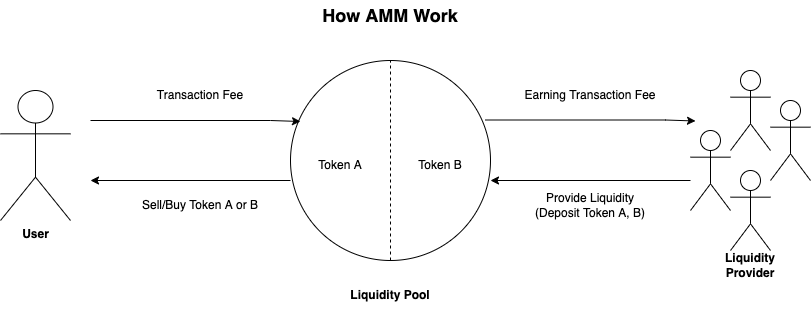
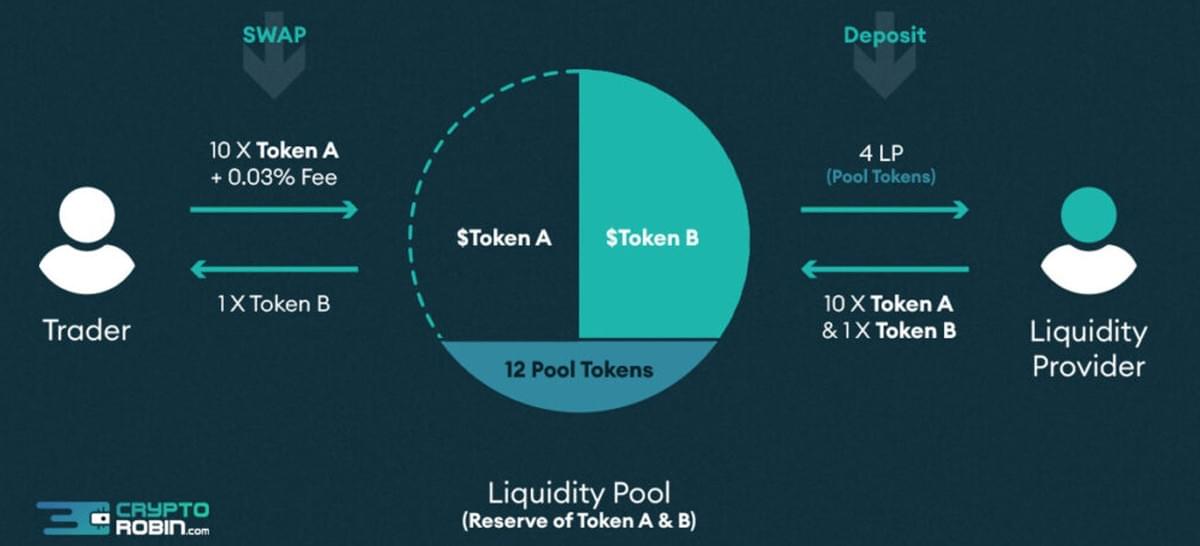
When you provide liquidity to an Automated Market Maker (AMM), you deposit two tokens (like ETH and USDT). The protocol maintains a balance between them using a mathematical formula. But when the market price shifts, the ratio of your tokens changes—and that’s where the loss comes in.
Simple Definition
- Impermanent loss = difference between holding tokens vs providing liquidity
- It becomes “permanent” only when you withdraw your funds
That last point is crucial. If prices return to their original levels, the loss disappears. That’s why it’s called impermanent.
How Impermanent Loss Works in Liquidity Pools
To understand impermanent loss, you need to understand how liquidity pools function.
Key Concept: Constant Product Formula
Most AMMs use this formula:
x × y = k
Where:
- x = amount of token A
- y = amount of token B
- k = constant
When one token’s price increases, the pool automatically adjusts by reducing its quantity and increasing the other.
What Happens Behind the Scenes?
- Traders arbitrage price differences
- The pool rebalances
- Your token ratio changes
That’s where the loss sneaks in.
Why Impermanent Loss Happens
There are three main reasons why impermanent loss occurs:
1. Price Volatility
The bigger the price change between the two assets, the larger the loss.
- Stablecoins → low risk
- Volatile pairs → high risk
2. Arbitrage Trading
Arbitrage traders exploit price differences between exchanges, forcing your pool to adjust.
3. Automated Rebalancing
AMMs don’t “think”—they just follow math. That means your assets are constantly rebalanced, even if it’s not in your favor.
Real-Life Example of Impermanent Loss
Let’s say you deposit:
- $1,000 in ETH
- $1,000 in USDT
Now ETH price doubles.
Instead of simply holding your ETH and enjoying the full gain, the pool sells some ETH to maintain balance. So when you withdraw, you have:
- Less ETH
- More USDT
Result? You earn less than if you had just held.


How to Calculate Impermanent Loss
Here’s a simplified table showing how impermanent loss grows with price changes:
| Price Change | Impermanent Loss |
|---|---|
| 1.25x | 0.6% |
| 1.5x | 2.0% |
| 2x | 5.7% |
| 3x | 13.4% |
| 5x | 25.5% |
Key Insight
- Small changes → negligible loss
- Large swings → significant impact
Strategies to Reduce Impermanent Loss
Now for the part you actually care about—how to avoid it.
1. Choose Stablecoin Pairs
Pairs like:
- USDT/USDC
- DAI/USDC
These minimize price fluctuations.
2. Use Low Volatility Assets
Assets that move together reduce impermanent loss risk.
3. Earn Trading Fees
Liquidity providers earn fees from trades. Often, these offset the loss.
4. Use Impermanent Loss Protection Platforms
Some protocols (like Bancor) offer built-in protection mechanisms.
5. Monitor Market Trends
Timing matters. Enter pools when volatility is low.
Impermanent Loss vs Trading Fees
Here’s the interesting part—impermanent loss isn’t always a net loss.
How Fees Help
- Every trade generates a fee
- You earn a share based on your pool contribution
Example
- Impermanent loss: -5%
- Fees earned: +8%
Net profit: +3%
So in reality, many liquidity providers still come out ahead.
Is Impermanent Loss Always a Bad Thing?
Not necessarily.
In fact, experienced DeFi users often accept impermanent loss as part of the game.
When It’s Acceptable
- High trading volume pools
- Strong fee rewards
- Long-term strategies
When It’s Risky
- Highly volatile tokens
- Short-term investing
- Low liquidity pools
Personal Insights: The Journey of DeFi Investors
Let’s step back for a moment.
Most people entering DeFi are chasing passive income. They hear about yield farming, see attractive APYs, and jump in without fully understanding impermanent loss.
Typical Journey
- Discover DeFi
- Provide liquidity
- See returns
- Market shifts
- Confusion about losses
I’ve seen countless investors panic when they realize their holdings are worth less than expected. But here’s the truth: it’s not a flaw—it’s a feature of how AMMs work.
Financial Insight
- Early adopters who understood impermanent loss often outperformed
- Strategic pool selection matters more than chasing high APY
Estimated earnings vary widely, but seasoned liquidity providers can generate consistent returns—sometimes 10–30% annually—depending on strategy.
Advanced Tips for Managing Impermanent Loss
If you want to go beyond basics, here are deeper strategies:
Diversify Pools
Don’t put all funds in one pool.
Use Dynamic LP Strategies
Move liquidity based on market trends.
Hedge with Derivatives
Advanced traders offset losses using futures or options.
Track Metrics
Monitor:
- Volume
- Fee generation
- Price correlation
FAQ
What is impermanent loss in simple terms?
Impermanent loss is the temporary loss in value when providing liquidity compared to simply holding your crypto assets.
Does impermanent loss become permanent?
Yes, once you withdraw your funds from the pool, the loss is realized and becomes permanent.
Can you avoid impermanent loss completely?
No, but you can reduce it by choosing stable pairs and low-volatility assets.
Is impermanent loss worse than trading?
Not necessarily. In many cases, trading fees can offset or exceed the loss.
Which pools have the lowest impermanent loss?
Stablecoin pools like USDT/USDC typically have minimal risk.
How do professionals handle impermanent loss?
They diversify, monitor markets, and prioritize high-volume pools with strong fee returns.
Is impermanent loss the same as market loss?
No. Market loss comes from price drops, while impermanent loss comes from price changes between assets.
Can beginners safely provide liquidity?
Yes, but they should start with stable pairs and small amounts.
Conclusion
Understanding impermanent loss isn’t just a technical necessity—it’s a mindset shift. Instead of seeing it as a hidden danger, think of it as part of the mechanics of decentralized finance.
The reality is simple: DeFi rewards those who understand its rules. When you learn how impermanent loss works, how to calculate it, and how to reduce its impact, you move from guessing to strategizing.
And that’s where real profits begin.