Introduction
Crypto conversations can feel like learning a completely new language. Terms like DeFi, smart contracts, Layer 2, and wallets are everywhere. Yet one phrase keeps popping up in blockchain discussions: what is onchain. If you’ve ever wondered what people actually mean when they say “that activity is onchain,” you’re not alone.
Security note: for keeping desktop devices safer before signing in to finance accounts, this Windows antivirus comparison is a useful related reference.
In simple terms, onchain refers to any transaction, data, or activity recorded directly on a blockchain. That means the information becomes part of a permanent digital ledger that anyone can verify. Whether someone sends Bitcoin, trades an NFT, or interacts with a decentralized application, those actions can often be tracked publicly.
The reason this matters is bigger than crypto hype. Onchain activity is changing how people think about transparency, ownership, finance, and trust online. Instead of relying on banks or centralized companies, blockchain networks allow users to verify information themselves. That shift is one reason developers, investors, and businesses are paying close attention to onchain ecosystems.
For beginners, however, the topic can feel intimidating. Wallet addresses look confusing, blockchain explorers seem overly technical, and the terminology doesn’t help. The good news? Once you understand the basics, the concept becomes surprisingly straightforward.


What Is Onchain?
The phrase “onchain” describes anything that exists directly on a blockchain network. A blockchain is a decentralized digital ledger that stores information across thousands of computers. Once data is added, it becomes extremely difficult to change or delete.
When people ask, “what is onchain,” they are usually referring to transactions or activities verified and permanently stored on a blockchain such as Bitcoin or Ethereum.
Examples of onchain activity include:
- Sending cryptocurrency
- Minting NFTs
- Executing smart contracts
- Recording decentralized finance trades
- Voting in blockchain governance systems
Every time one of these actions occurs, the blockchain validates the transaction through network consensus. After verification, the information becomes publicly accessible.
Think of it like a giant public spreadsheet that updates constantly but cannot easily be manipulated.
The Core Idea Behind Onchain Systems
Traditional systems rely heavily on intermediaries. Banks verify payments. Social media platforms control user data. Governments maintain records. Blockchain technology changes that dynamic by distributing control across a network.
Onchain systems provide:
- Transparency
- Security
- Immutability
- Decentralization
- Public verification
That transparency is one reason crypto enthusiasts often celebrate blockchain technology. In reality, anyone can inspect blockchain activity using tools called blockchain explorers.
Why People Care About Onchain Activity
Onchain data offers a unique window into digital behavior. Investors use it to track whale transactions. Developers use it to analyze network growth. Researchers study transaction volume to measure adoption trends.
Unlike traditional finance, where many transactions remain private or hidden behind institutions, blockchain networks expose enormous amounts of real-time information.
That level of openness creates opportunities—and challenges.
How Onchain Transactions Work
To understand the concept fully, you need to know how a blockchain transaction actually happens.
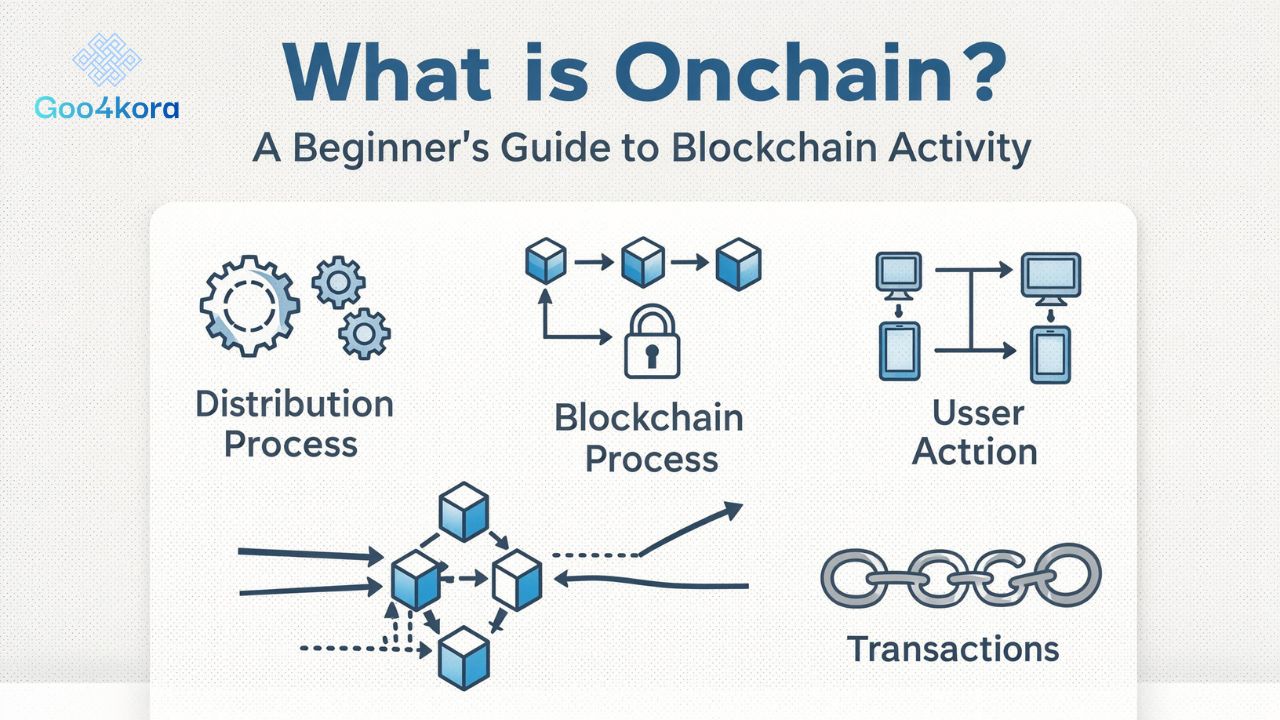
Imagine you want to send cryptocurrency to a friend. Here’s a simplified version of the process:
- You initiate the transaction from your crypto wallet.
- The network broadcasts the request.
- Validators or miners confirm the transaction.
- The transaction enters a block.
- The block gets added permanently to the blockchain.
Once confirmed, the activity becomes onchain.
What Information Gets Stored?
Depending on the blockchain, the following information may appear:
| Data Type | Example |
|---|---|
| Wallet Addresses | Sender and receiver |
| Transaction Amount | 2 ETH |
| Timestamp | Date and time |
| Smart Contract Data | NFT minting details |
| Transaction Fees | Gas fees paid |
However, personal identities are usually not attached directly to wallet addresses. Blockchain networks are often pseudonymous rather than fully anonymous.
The Role of Consensus Mechanisms
Blockchain networks need agreement before adding data. This process is called consensus.
Popular mechanisms include:
- Proof of Work (PoW)
- Proof of Stake (PoS)
For example, the Bitcoin network uses Proof of Work, while Ethereum now primarily uses Proof of Stake.
Consensus ensures fraudulent transactions are rejected.
Onchain vs Offchain Explained
One of the most important blockchain concepts is the difference between onchain and offchain activity.
What Is Offchain?
Offchain refers to actions or data that occur outside the blockchain network.
Examples include:
- Crypto exchange databases
- Payment processing systems
- Private agreements
- Cloud storage
- Centralized applications
Key Differences
| Feature | Onchain | Offchain |
|---|---|---|
| Visibility | Public | Usually private |
| Speed | Slower | Faster |
| Security | Highly secure | Depends on provider |
| Cost | Transaction fees | Often cheaper |
| Permanence | Immutable | Editable |
Why Both Matter
Many blockchain projects combine both systems.
For example, a gaming platform might store important ownership data onchain while handling gameplay mechanics offchain for speed.
This hybrid approach helps reduce costs and scalability problems.
Why Onchain Data Matters
The rise of blockchain analytics has made onchain data incredibly valuable.
Companies now analyze blockchain activity much like traditional firms analyze website traffic or financial reports.
Transparency Creates Trust
One major advantage is verifiability.
If someone claims a crypto project processed millions in transactions, analysts can often confirm the claim directly through blockchain records.
This transparency reduces reliance on blind trust.
Investors Use Onchain Signals
Crypto traders monitor:
- Wallet activity
- Exchange inflows
- Token movement
- Whale transactions
- Network growth metrics
These signals help predict market sentiment.
For instance, large Bitcoin transfers to exchanges may suggest selling pressure. On the other hand, increased wallet accumulation could indicate bullish sentiment.
Developers Measure Ecosystem Health
Blockchain developers track:
- Daily active wallets
- Smart contract interactions
- Total value locked (TVL)
- NFT trading activity
Those metrics reveal whether users are actively engaging with a platform.


Types of Onchain Activity
The blockchain ecosystem has evolved dramatically over the past few years. Today, onchain activity extends far beyond simple cryptocurrency transfers.
Cryptocurrency Transactions
This is the most recognizable form of blockchain activity.
Users send:
- Bitcoin
- Ethereum
- Stablecoins
- Altcoins
These transactions are recorded permanently.
Smart Contract Interactions
Smart contracts are self-executing programs stored on blockchains.
They power:
- DeFi platforms
- NFT marketplaces
- Blockchain games
- DAO governance systems
Whenever someone interacts with a smart contract, the activity becomes onchain.
NFT Minting and Trading
NFTs exploded in popularity because blockchain networks made digital ownership verifiable.
Onchain NFT activity includes:
- Minting
- Buying
- Selling
- Royalties
- Transfers
Decentralized Finance (DeFi)
DeFi applications rely heavily on blockchain transactions.
Users can:
- Lend crypto
- Borrow assets
- Earn staking rewards
- Swap tokens
- Provide liquidity
Every interaction leaves an onchain footprint.
Governance Voting
Some blockchain communities use token-based governance systems.
Token holders vote on:
- Protocol upgrades
- Treasury spending
- Ecosystem proposals
These votes are often recorded directly onchain for transparency.
How Businesses and Investors Use Onchain Analytics
The blockchain industry has created an entirely new field: onchain analytics.
This sector focuses on interpreting blockchain data to uncover trends and insights.
Institutional Investors
Large financial firms increasingly monitor blockchain networks.
They examine:
- Capital flows
- Exchange reserves
- Market liquidity
- Investor behavior
This helps institutions make informed decisions.
Blockchain Security Firms
Security companies analyze suspicious wallet activity to detect:
- Hacks
- Fraud
- Money laundering
- Rug pulls
Because transactions remain visible forever, investigators can often trace stolen funds.
Marketing and Growth Teams
Web3 companies use onchain metrics to understand user engagement.
Common metrics include:
| Metric | Purpose |
|---|---|
| Daily Active Wallets | User growth |
| Transaction Count | Network activity |
| Gas Usage | Demand measurement |
| Wallet Retention | User loyalty |
Real-Life Example
Imagine a decentralized exchange launches a new token. Analysts can immediately track:
- Number of buyers
- Trading volume
- Wallet concentration
- Liquidity growth
Traditional startups rarely offer that level of public visibility.
Benefits of Onchain Systems
Blockchain advocates often highlight the advantages of onchain systems over traditional infrastructure.
Transparency
Public blockchains allow anyone to inspect transactions.
That openness creates accountability.
Security
Once data is recorded onchain, altering it becomes extremely difficult.
This makes blockchain attractive for:
- Financial systems
- Supply chains
- Identity verification
Decentralization
No single company controls the network.
Instead, control distributes across participants.
Ownership
Users often maintain direct ownership of their assets rather than relying on centralized platforms.
That distinction became especially important after multiple crypto exchange collapses.
Global Accessibility
Anyone with internet access can interact with many blockchain networks.
This opens financial opportunities for underserved populations.
Challenges and Limitations of Onchain Technology
Despite the excitement, blockchain systems still face serious obstacles.
Scalability Problems
Popular blockchains can become congested during periods of high activity.
That congestion leads to:
- Slower transactions
- Higher fees
- Poor user experiences
Gas Fees
On networks like Ethereum, transaction fees can rise dramatically during busy periods.
Some users have paid hundreds of dollars for complex interactions.
Privacy Concerns
Public transparency creates trade-offs.
Even though wallets are pseudonymous, blockchain analysis tools can sometimes connect addresses to real identities.
Complexity
For beginners, blockchain technology still feels overwhelming.
Managing wallets, seed phrases, and smart contracts requires technical understanding.
Regulatory Uncertainty
Governments worldwide continue debating how blockchain networks should be regulated.
That uncertainty affects businesses and investors alike.
Real-World Examples of Onchain Applications
Blockchain technology is no longer limited to cryptocurrency speculation. Many industries are exploring real-world use cases.
Supply Chain Tracking
Companies can record product movement onchain to improve transparency.
Consumers may eventually verify:
- Product origins
- Shipping history
- Sustainability claims
Gaming
Blockchain gaming allows players to own digital assets directly.
Items, skins, and characters can exist independently of the game developer.
Healthcare Records
Some projects aim to store medical records securely on blockchain networks.
This could improve portability and security.
Digital Identity
Onchain identity systems may eventually reduce dependence on centralized verification providers.
Cross-Border Payments
Traditional international transfers can take days.
Blockchain networks often settle transactions far faster.


The Future of Onchain Technology
The future of blockchain technology will likely involve deeper integration into everyday digital experiences.
Growth of Layer 2 Networks
Layer 2 solutions aim to improve blockchain scalability and reduce costs.
Popular approaches include:
- Rollups
- Sidechains
- State channels
These systems help blockchain networks handle larger transaction volumes.
Expansion of Web3
Web3 applications continue growing across:
- Finance
- Gaming
- Social media
- Content creation
As adoption increases, more user activity may shift onchain.
AI and Blockchain Integration
Artificial intelligence tools could eventually analyze onchain data more efficiently.
This may improve:
- Fraud detection
- Trading analytics
- Risk management
Institutional Adoption
Major companies and financial institutions are already experimenting with blockchain infrastructure.
That trend may accelerate as regulations become clearer.
Will Everything Become Onchain?
Probably not.
In reality, many systems work better with hybrid models that combine onchain transparency with offchain speed and privacy.
Still, blockchain technology is likely to remain a major part of the digital economy.
FAQs
What does onchain mean in crypto?
Onchain refers to transactions or activities recorded directly on a blockchain network. These records become publicly verifiable and permanent.
Is Bitcoin onchain?
Yes. Every Bitcoin transaction recorded on the blockchain is considered onchain activity.
What is the difference between onchain and blockchain?
Blockchain is the technology itself, while onchain describes actions or data stored on that blockchain.
Why is onchain data important?
Onchain data provides transparency, security, and public verification. Investors and analysts use it to track market trends and network activity.
Are onchain transactions anonymous?
Not completely. Most blockchain networks are pseudonymous, meaning wallet addresses are public even if real names are hidden.
Can onchain transactions be reversed?
Usually no. Once confirmed and added to the blockchain, transactions become extremely difficult to reverse.
What are gas fees in onchain transactions?
Gas fees are payments made to blockchain validators or miners for processing transactions and executing smart contracts.
Is DeFi entirely onchain?
Most decentralized finance platforms rely heavily on onchain systems, although some supporting infrastructure may remain offchain.
How do I view onchain activity?
You can use blockchain explorers to inspect wallet addresses, transactions, and smart contract interactions.
Conclusion
Understanding what is onchain is becoming increasingly important in today’s digital economy. Blockchain technology has moved far beyond niche crypto communities and is now influencing finance, gaming, digital ownership, and even identity systems.
At its core, onchain activity represents transparency and verification. Instead of trusting centralized institutions blindly, users can independently confirm transactions and interactions on public ledgers. That shift changes how people think about trust online.
Of course, blockchain technology still faces major hurdles. Scalability, regulation, privacy concerns, and usability remain ongoing challenges. However, innovation in the space continues at an astonishing pace.
For beginners, the best approach is simple: stay curious. Explore blockchain explorers, learn how wallets work, and pay attention to how decentralized systems evolve. The more you understand onchain technology today, the easier it becomes to navigate the rapidly changing world of Web3 tomorrow.